Regardless of which year you are in, university students are expected to complete a range of assessments throughout the academic year. Here are some useful tips to improve time management, boost motivation, and get started on tasks more effectively.
Begin early: It is advisable to begin preparing for any upcoming assessment well in advance. Realizing that you have run out of time to properly plan after leaving it until the last minute is a frustrating experience. Working on a task in small sections over a period of time is much more manageable than waiting until the last minute to complete it all at once. Instead of relying on the pressure of a deadline to motivate you, try using these tips to find a new way of motivating yourself. This will help you avoid unnecessary stress and prevent you from leaving the assessment until the last minute.
Eliminate any distractions: Although Netflix and Facebook are popular among university students, it is crucial to recognize when you are becoming too engrossed in your viewing or browsing, to the point where it hinders your ability to focus on your academic responsibilities. Once you realize that the best course of action is to turn it off. For those of you who find it difficult to study in complete silence, Coffitivity can be a helpful solution. Coffitivity is a website that aims to enhance your creativity and productivity by recreating the ambient sounds of a café. It is not as distracting as Netflix, but it also does not leave you sitting in complete silence.
It is advisable to plan ahead: Planning ahead and completing all necessary tasks beforehand is always preferable to improvising, as it can make things easier for you. Once you become aware of the deadline or exam date, create a comprehensive list of all the tasks that you need to complete in order to prepare for it.
If you have multiple deadlines or exams that are scheduled around the same time, it would be helpful to use colored pens and highlighters. You can write down the title of each assignment/exam, its deadline, and all the necessary tasks that need to be completed. One could write a plan for an essay, practice writing, or create a list of books to read before starting the task. Using practice papers for exam preparation is always a good idea, especially when paired with creating a list of revision topics and checking them off as you progress through them.
Although not all topics assigned to you may be interesting, there are strategies you can use to make them more engaging. To begin, identify a specific aspect of the subject that you find enjoyable and concentrate on that particular topic. By doing so, you will be able to start concentrating on your work without experiencing any negative emotions towards it. One way to make a task more engaging is to divide it into sections. After completing each section, you can reward yourself in some way, such as taking a break or going out with friends at night.
It is important to organize your study space: As the popular saying suggests, a clean and organized room can lead to a clear and focused mind. If your study space is cluttered with magazines, books, and various random items, it will be difficult for you to concentrate on your work. Prior to commencing your work, ensure that the working area is organized and spacious enough to accommodate your work and avoid feeling restricted to a small area. If you struggle with keeping things tidy, consider finding a location that is already organized, such as a library or even your kitchen table.
Consider studying with friends: Collaborating with friends while studying can make assignments and revision feel less overwhelming. Being surrounded by other individuals who are working on their own tasks can help you get into the appropriate mindset to start working on your own assignments. In addition, they are available to provide assistance if you encounter difficulties with a specific subject. Please remember not to plagiarize each other’s work, as this may result in collusion.
It is important to take regular breaks: When studying, it is crucial to maintain focus and productivity, while also avoiding excessive study sessions. Studying can cause fatigue in the brain, and it is important to take breaks to allow it to rest. It is recommended to take a break of 10 minutes after every 90 minutes of work. However, in most cases, a break of 60 minutes is sufficient. During your break, it is important to take some time to relax and stretch your legs if you have been sitting for an extended period of time. Avoid excessive studying or working as it can become less effective when you are tired.
Do not hesitate to seek assistance when needed: Do not hesitate to seek assistance if needed. There is no need to feel embarrassed or nervous about asking for help, as everyone experiences struggles at some point in their lives. If you are facing difficulties, it is advisable to seek assistance from your seminar tutor or academic advisor as they can provide you with the appropriate guidance. Friends are also there for you! Your fellow classmates in the course may also be facing similar challenges. Collaborating with them could potentially lead to a better understanding of the subject matter.
Make sure to snack on foods that are good for your brain and drink plenty of water!
Vegetables, fruit, peanut butter, and coffee are my preferred food items. Here are four recommended foods and beverages to consume while studying. Eating fruits, vegetables, and peanut butter is beneficial as they are rich in essential nutrients, vitamins, and healthy fats that can help you stay full and energized for an extended period of time. Water is essential when studying as well! Maintaining proper hydration levels can help you feel more energized and alert.
Consider rewarding yourself:
Remember to give yourself a reward for all the hard work you’ve put in! Once you have completed a challenging assignment, it is important to reward yourself for your hard work. You could consider spending time with friends, going to the cinema, or simply taking the time to relax and do nothing. It is important to acknowledge the effort you put into your assignments and exams, even if the reward is small. We all know that these tasks are not easy.
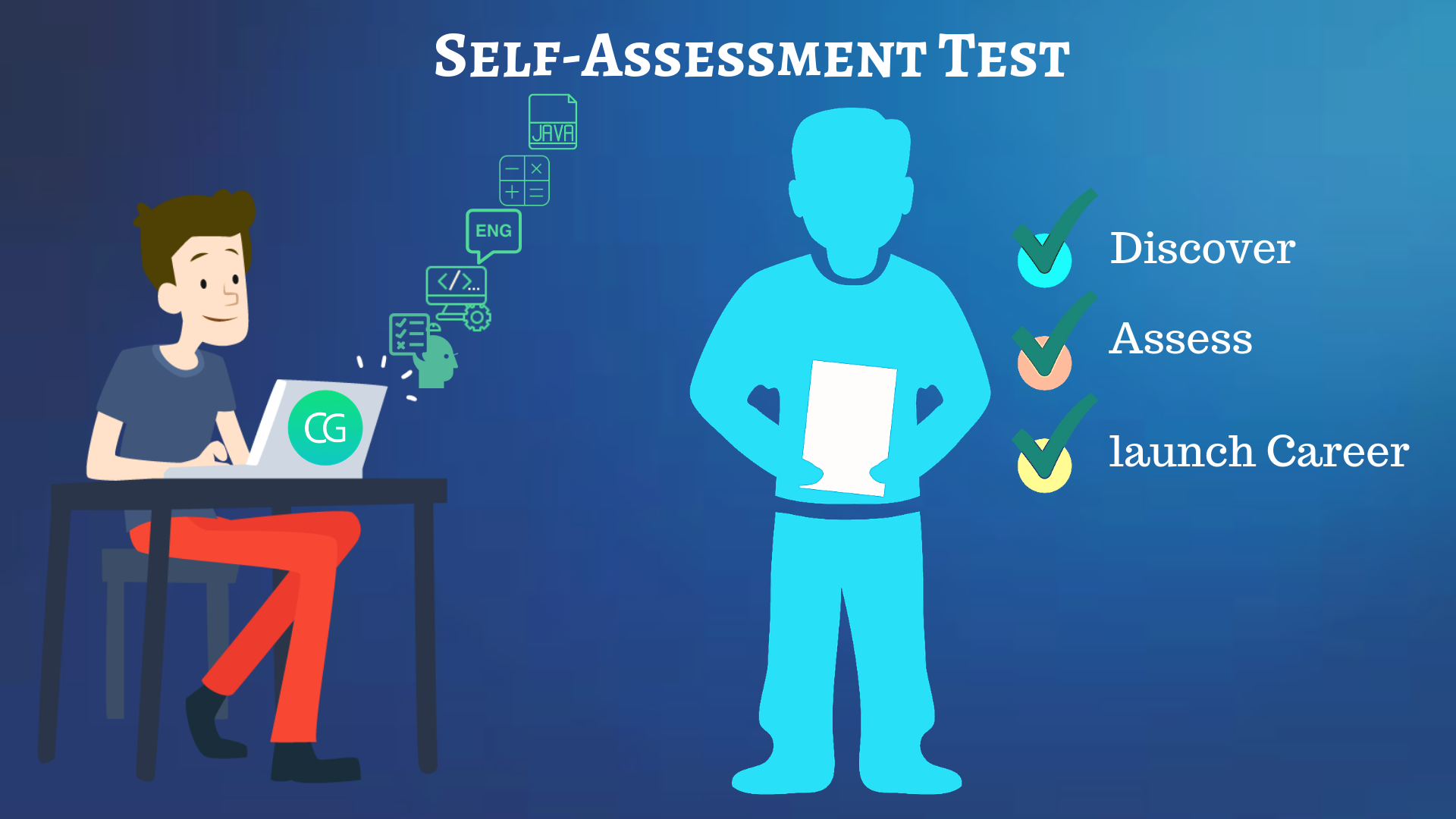
Are you getting ready for the CSS and PMS exams? If you are experiencing this, know that you are not alone. Numerous individuals aspiring to become CSS PMS officers are seeking methods to prepare for these exams on their own. Although there are numerous resources available online, some of them are challenging to navigate or may not be customized to meet an individual’s needs. This blog post will cover the process of self-assessment and the methods of self-study.
Is it possible?
The primary question that needs to be addressed is whether it is feasible or not. Although it may appear challenging, it is feasible to create CSS and PMS independently. Numerous individuals have achieved high scores and successfully passed the exam by studying from the comfort of their own homes. In order to achieve your goals, it is important to take strategic steps and consistently work towards them.
The importance of self-study.
Are you getting ready for the CSS and PMS Exams, but uncertain if self-study is the optimal choice for you? If you are unable to afford attending an institute, reside in a remote location, or are a woman who cannot commute on a daily basis, self-study is a viable option for you. When making the decision to pursue self-study, there are several factors that you should take into account.
Could you please specify what options you are referring to?
What is your budget for this expense?
Could you please let me know about any time limitations you may have?
Could you please elaborate on what your priorities are?
Self-study may be the best option for you if you are able to answer all of these questions. If you are unable to answer any of the questions, it may be beneficial for you to consider attending an institute.
How to Begin Your Preparation?
One of the biggest challenges when preparing for exams is figuring out how to begin. Considering the vast amount of information available, it can be overwhelming to determine where to begin. The most effective method for studying is to prioritise your weaker areas and concentrate on improving them initially. By following this approach, you can progressively enhance your understanding and become more equipped to tackle the tougher topics. It is important to be mindful of your time and avoid overloading yourself. To receive additional guidance from CSP officers, please click on the provided link.
Subject selection is an important process that requires careful consideration. It involves choosing the appropriate topic or area of study for a research project or academic paper. It is crucial to select a subject that is relevant, interesting, and feasible within the given time frame and resources. Proper subject selection can lead to a successful and meaningful project, while a poor choice can result in a lack of direction and difficulty in completing the work. Therefore, it is essential to take the time to evaluate potential subjects and choose the one that best fits the research goals and objectives. Choosing which subjects to study can be a daunting task. Choosing subjects that are in line with your educational background can significantly decrease the amount of effort needed to learn. As an adult learner, you are aware that you have limited time and energy to dedicate to your studies. It is important to choose subjects that require the least amount of effort. Choosing subjects that align with your educational background can help you concentrate better on learning and spend less time on understanding the material. Self-study and attending an academy are two different approaches to learning.

How to Prepare for IBPS RRB exam: A Guide
IBPS RRB Exam is conducted for the recruitment of candidates to various posts in regional rural banks throughout India. This exam is highly competitive and requires thorough preparation to crack it, and one has to follow the ibps rrb notification, plan wisely, and prepare for the exam wholeheartedly. So, this article discusses some effective tips and strategies for the RRB exam.
Know the Exam Pattern
The first step towards preparing for the RRB exam is understanding its pattern. The exam consists of two stages - Prelims and Mains. The Prelims exam comprises two sections - Reasoning and Numerical Ability, while the Mains exam has five sections - Reasoning, Numerical Ability, General Awareness, English/Hindi Language, and Computer Knowledge.
Make a Study Plan
Once you understand the exam pattern, you should next create a study plan. Divide your time wisely and allocate sufficient time to each exam section. Make sure to prepare yourself to achieve realistic goals and create a schedule that you can stick to. A study plan will help you stay focused and motivated throughout your preparation.
Practice with Previous Years’ Question Papers
Practicing with previous years’ question papers is an efficient way to prepare for the RRB exam. This will enable you to understand the type and patterns of questions asked in the exam, the difficulty level, and the time required to solve them. You can also assess your performance and identify your strengths and weaknesses.
Focus on Basic Concepts
To excel in the RRB exam, a strong foundation in basic concepts is essential. Focus on the fundamentals of each section and practice solving simple problems before moving on to complex ones. Strengthening your basics will help you solve problems quickly and accurately.
Improve your Speed and Accuracy
The RRB exam is time-bound, and speed and accuracy are crucial to scoring well. Practice solving problems within the stipulated time frame and work on improving your speed and accuracy simultaneously. Use shortcuts and tricks to solve problems quickly, but make sure not to compromise accuracy.
Stay Updated with Current Affairs
The General Awareness section in the RRB exam tests your knowledge of current affairs. Stay updated with the latest news and events by regularly reading newspapers, magazines, and online portals. Make notes of important events and revise them frequently.
Take Mock Tests
Mock tests are essential to your preparation for the RRB exam. They simulate the exam environment and help you adapt to the exam pattern and the time limit. Taking mock tests will also help you identify your strengths and weaknesses and work on them accordingly.
Stay Positive and Confident
Last but not least, staying positive and confident throughout your preparation is crucial. Avoid negative thoughts and focus on your strengths. Believe in yourself and your abilities. A positive attitude will help you prepare better and boost your performance on exam day.
In conclusion, the RRB exam is a highly competitive exam that requires thorough preparation. Knowing the exam pattern, following the ibps rrb notification, creating a study plan, practicing with previous year question papers, focusing on basic concepts, improving speed and accuracy, staying updated with current affairs, taking mock tests, and staying positive and confident are some practical tips and strategies to prepare for the RRB exam. You can crack the RRB exam and achieve your dream of working in a regional rural bank with dedication and hard work.


Engaging in self-study for CSS and PMS can be a beneficial approach, but it also has its advantages and disadvantages. Expanding your reach and understanding could be a potential benefit. However, it will require more time for you to be completely ready for the examination. On the other hand, studying at an institute can provide you with a conducive learning environment and a mentor to guide you throughout your academic journey. The institute will furnish you with notes and essential documents, and assist you in swiftly covering topics.
Studying alone has several advantages, such as the ability to learn at your own pace and have a more personalised experience. One of the drawbacks of remote learning is that receiving feedback can be challenging, and you may not have access to the same level of support as you would in a traditional educational setting.
Thankfully, there are numerous excellent options for individuals who wish to learn CSS or PMS from the comfort of their own homes. Expert MDCAT offers a great option for providing useful information. This system allows you to attend your class without any limitations on time or location.